.

World Concern Logo

wells and clean water

What we provide

Protecting our most precious resource

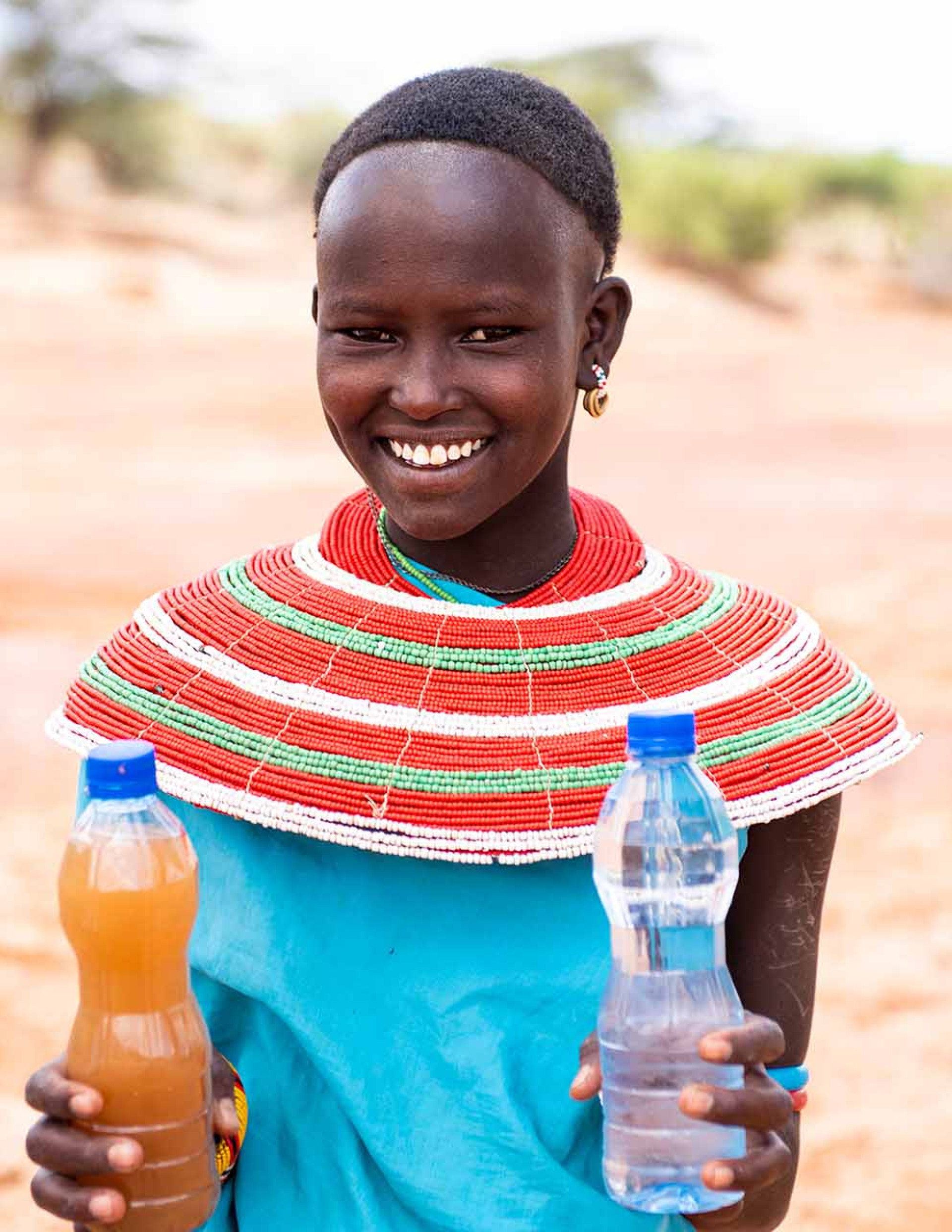
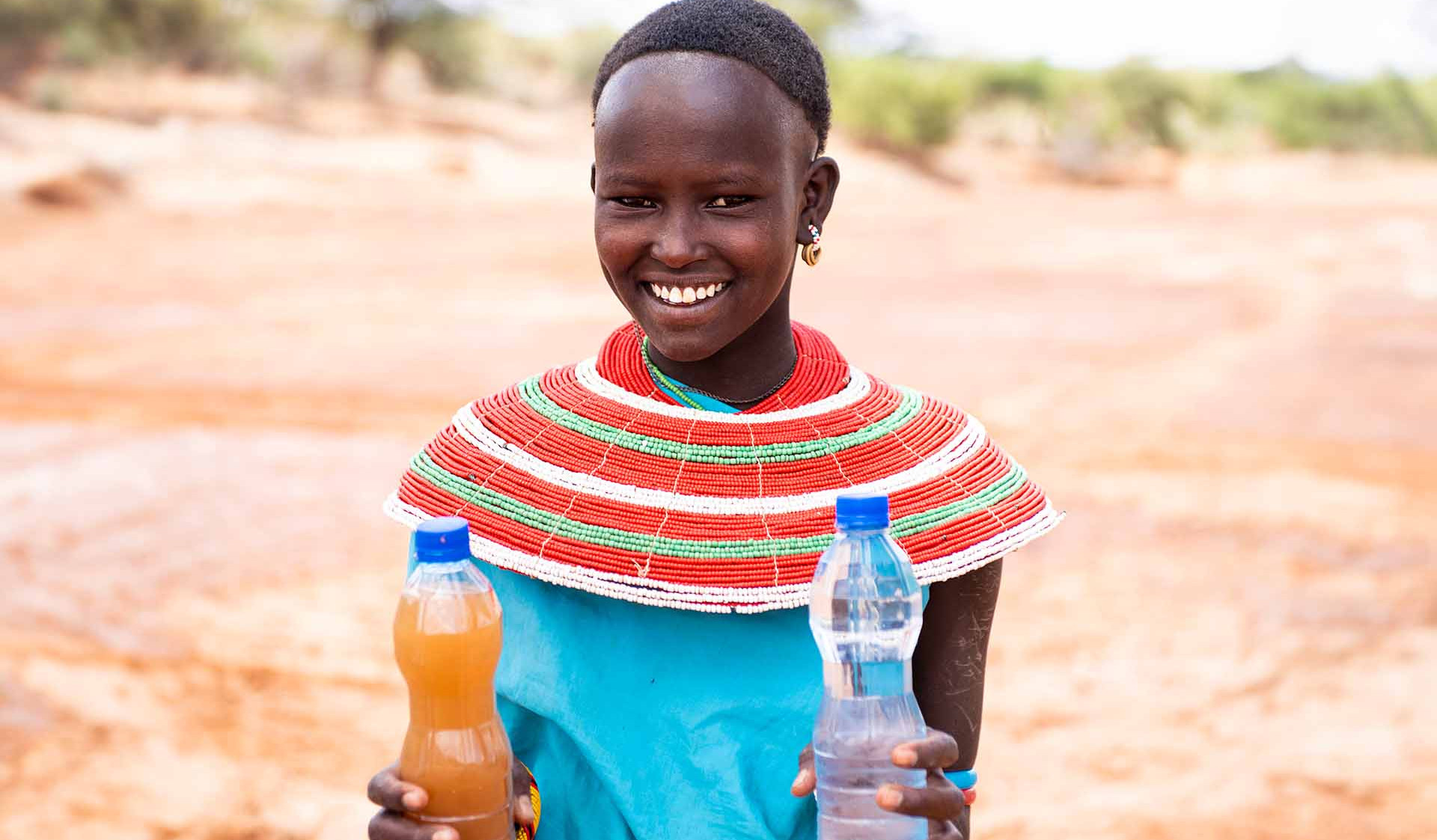
Pond to collect rainwaterClean water: We often take it for granted, but people in developing countries struggle to provide it for their families.

Their water can be contaminated by dirt, parasites, sewage and even saltwater, leaving families sick or dehydrated from drinking it.

World Concern improves water supplies in three primary ways:

  1. We dig fresh water wells by machine and by hand
  2. We build rainwater runoff storage systems. These usually route water from rooftops into large tanks
  3. We excavate ponds called water pans to collect rainwater, which can be used for people or animals, depending on the circumstance

We also desalinate ponds in coastal areas hit by storms, including in Myanmar, which endured a cyclone in May.

World Concern also teaches how to respect the environment, including the protection of natural springs.

Families are also taught about sanitation. They learn how to dig pit latrines to help protect clean water sources.

Download a project profile of our water and sanitation programs.


Drilling for wells in the most thirsty places

Water well in KenyaImagine having to walk 15 miles round trip for a few gallons of clean water.

Then imagine getting to the well to find long lines, filthy water, or nothing at all. 

Find out how our Water For All project can provide a clean well for $100.

Why our large water project in Somalia's Juba Valley is nicknamed "peace."


Donate to Wells and Clean Water

Dig Wells for Clean Water

See where we work

non-profit world map

Why this is important

Water-borne disease kills millions every year

  • Diarrheal disease alone is responsible for 1.8 million deaths annually
  • In sub-Saharan Africa, 42% of the population lacks improved water
  • In 2002, 1.1 billion people lacked access to improved water sources (about one out of six people on Earth)
  • Of those 1.1 billion people, nearly two thirds live in Asia
  • Droughts cause the most ill-health and death because they often trigger and exacerbate malnutrition and famine
  • Between 28 and 35 million people in Bangladesh consume drinking-water with elevated levels of arsenic
    • Source: World Health Organization

How we provide it

Harnessing and maximizing a limited supply

  • We pay refugees and displaced people in Chad to dig rain catchment ponds for livestock and limited agriculture
  • After the cyclone in Myanmar, staff guide the construction of new rain catchment ponds and install pumps to eliminate saltwater from freshwater
  • We line wells in areas near saltwater sources to protect freshwater supplies
  • In the dry Juba Valley region of Somalia, we construct shallow wells and establish year-round access to clean water for 50,000 people and 28,000 animals
  • Shallow wells in Somalia are also used to establish small gardens

Email Newsletter

World Concern sends out an email newsletter once a month with updates about what's going on around the world.

Financial Accountability

We stretch every dollar. That's why our parent organization has earned a 4-star charity rating from Charity Navigator.

World Concern blogs

Hear from humanitarian experts as they visit World Concern projects. Visit their blogs to see what they're thinking.